The year was 1991. While the rest of India was driving the humble Premier Padmini or the Maruti 800, Tata Motors did something radical. They launched the Tata Sierra—a three-door, 4×4 lifestyle SUV with massive curved glass windows that looked like it landed from the future. Indeed, it was a car ahead of its time.
Now, fast forward to November 2025: the legend has officially returned.
However, the Indian market today is ruthless. The new 2025 Tata Sierra isn’t competing in a vacuum; rather, it is entering the “Death Valley” of the auto industry—the Compact SUV segment. To succeed, it must steal buyers from the Hyundai Creta, the Kia Seltos, and the Maruti Grand Vitara.
This raises a crucial question: Does the new Sierra have the substance to back up the nostalgia? Or is it just a pretty face? At GForce Motor, we don’t just read the spec sheet; instead, we analyze what it means for you. Here is our comprehensive, no-nonsense review.
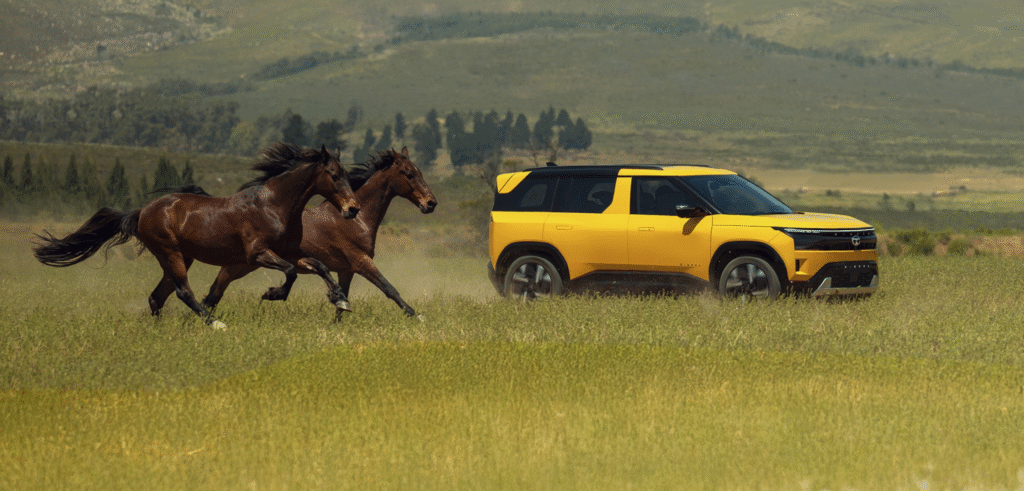
Exterior Design: The “Alpine” Window Reimagined
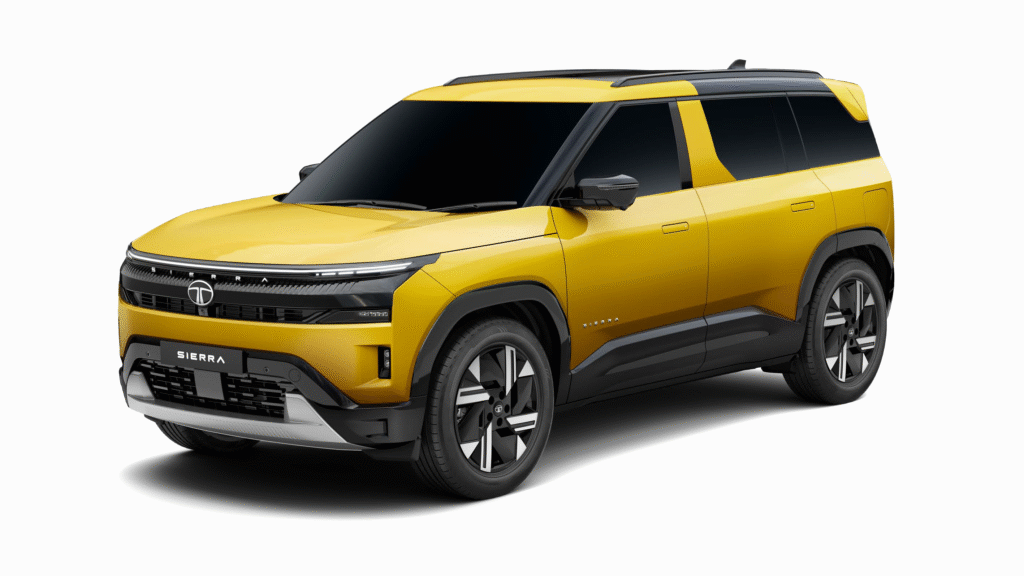
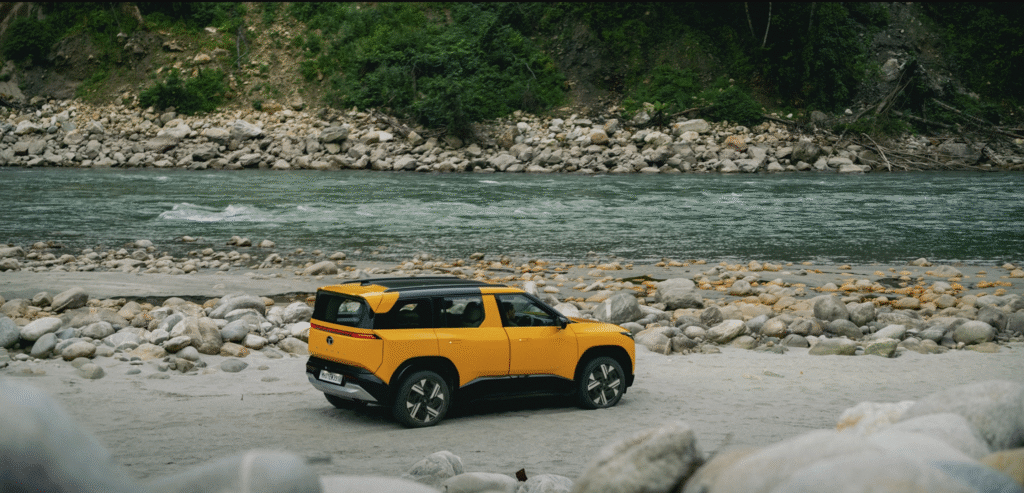
The first thing you notice is the silhouette. Crucially, Tata has managed a masterstroke by retaining the iconic “Alpine Window”—that massive curved glass section at the rear roof.
The “Split” Controversy
Die-hard fans of the 90s Sierra might be disappointed that the glass is no longer a single continuous piece.
- The Change: The 2025 model is now a practical 5-door SUV, which means there is a B-pillar and a C-pillar breaking the glass.
- Our Take: This was a necessary evolution. A 3-door SUV (like the original) is simply a sales disaster in India (just ask the Mahindra Thar 3-door families). Therefore, the 5-door layout makes the Sierra practical for families, while the “blacked-out” pillars expertly hide the breaks to mimic the original look.
Road Presence
Looking at the raw numbers, the Sierra commands attention: measuring 4,340 mm in length with a width of 1,841 mm, the vehicle is visibly wider than the Hyundai Creta.
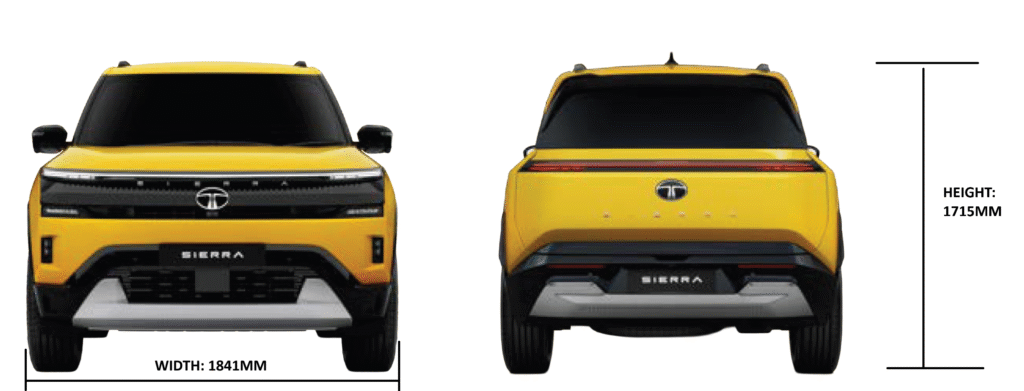
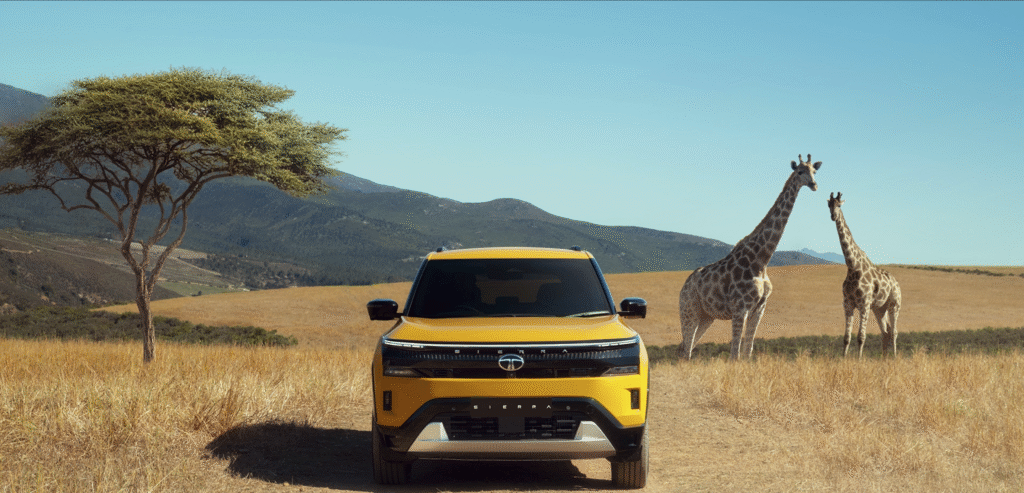
- The Front: It features a massive 1.8-meter connected LED DRL bar (the longest in the segment) and a high, flat bonnet that gives it a “Range Rover-esque” stance.
- The Sides: It rides on massive 19-inch alloy wheels (in top trims), filling the squared-off wheel arches perfectly.
- The Rear: The spare wheel has moved from the tailgate (original style) to under the boot floor. While this reduces the “off-road” vibe, it makes the tailgate easier to open in tight city parking.
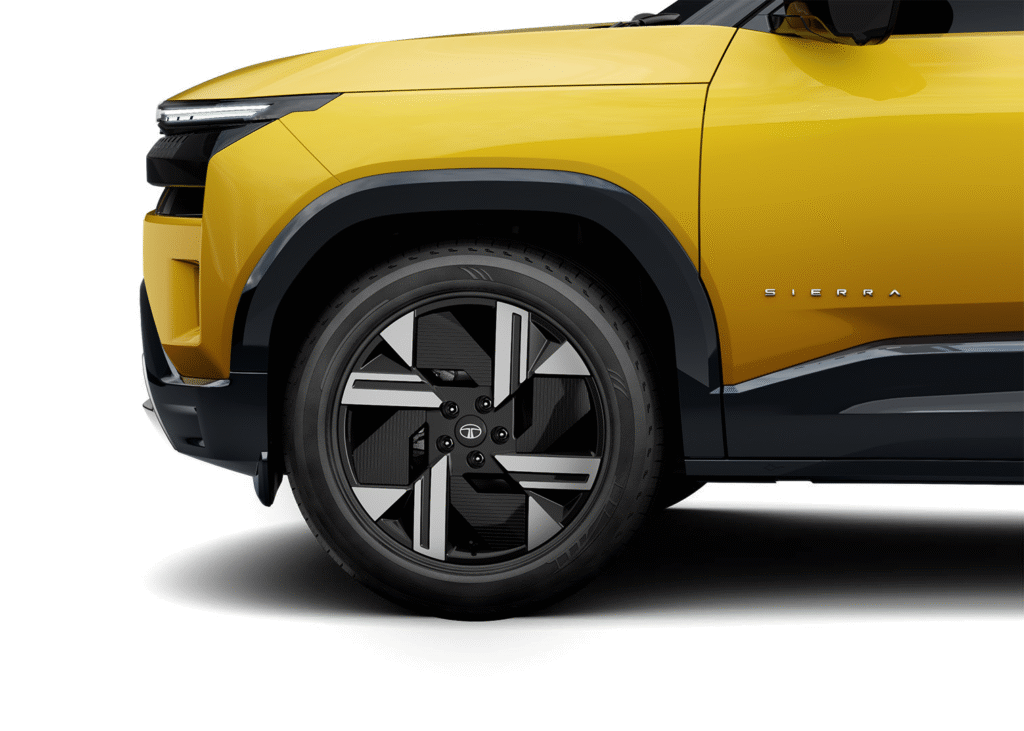
GForce Verdict on Design: It is the best-looking SUV in the segment. Period. It makes the Creta look over-styled and the Seltos look common.
Interior & Technology: The Triple-Screen Gamble
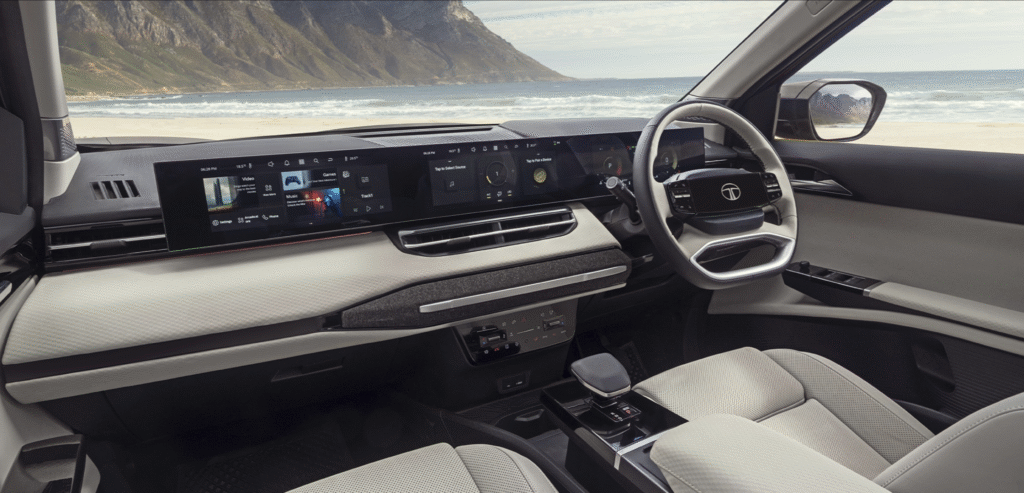
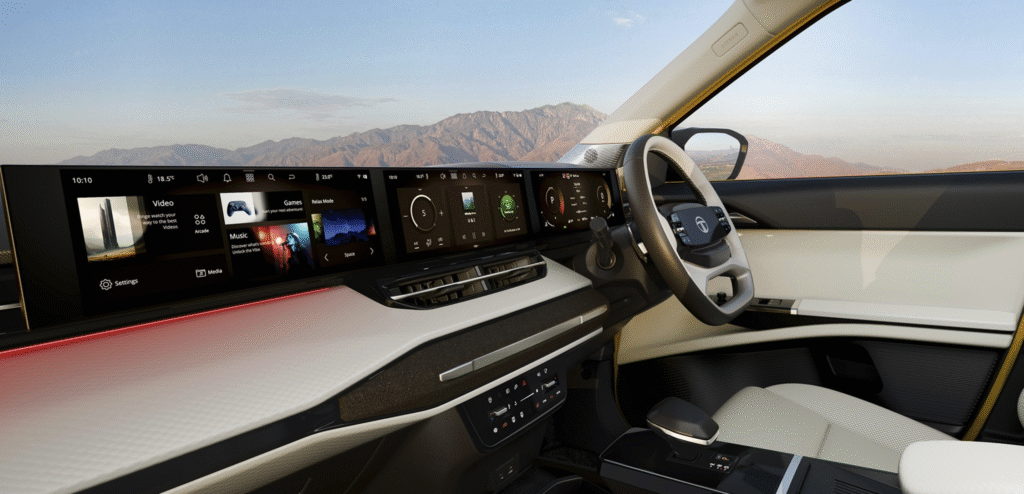
Step inside, and the nostalgia vanishes. This cockpit is straight out of 2030. Tata has skipped the “Dual Screen” trend and jumped straight to a Triple Screen Layout for top of the line variant.
The Three Screens Explained
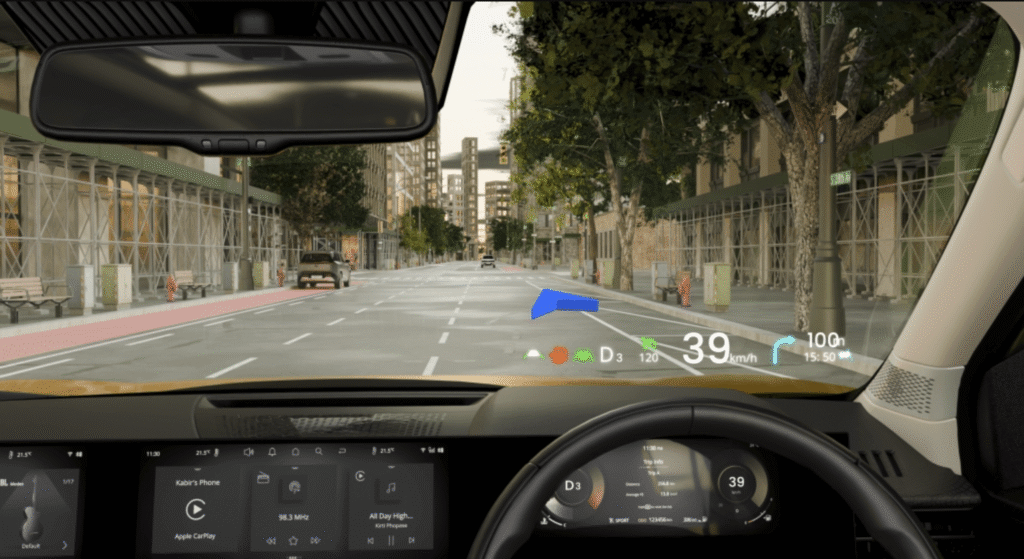
- 10.25-inch Digital Driver Display: Sharp, customizable, and displays navigation maps directly in your line of sight.
- 12.3-inch Central Infotainment: The main command center. It runs on Tata’s latest UI, which is significantly faster than the laggy systems found in the 2023 Harrier.
- 12.3-inch Passenger Screen: This is the party trick. The front passenger can watch movies, stream content, or control music independently.
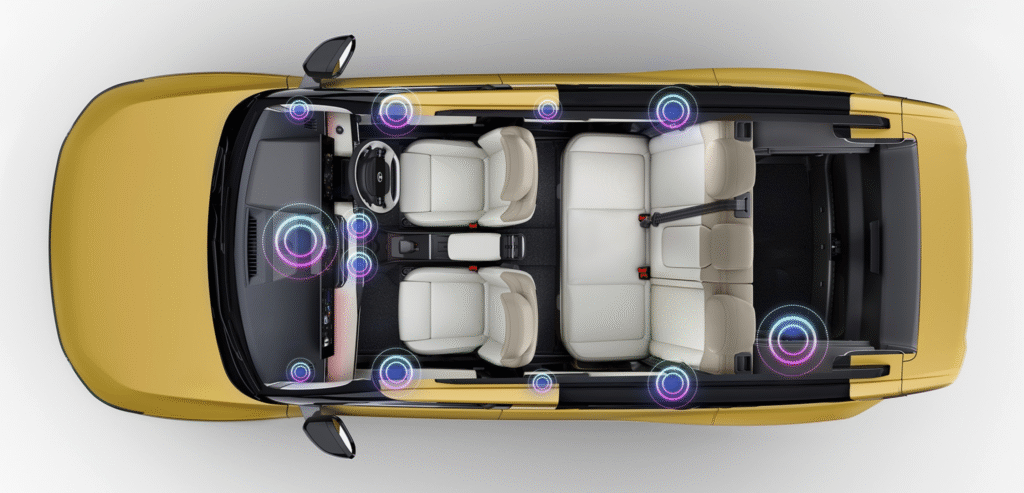
Experience rich, multidirectional audio with the JBL™ Black 12-speaker system powered by Dolby Atmos, delivering crisp details from every angle—making you feel truly part of the moment. The elegantly crafted rear tweeters enhance not only the sound clarity but also add a refined touch to the cabin’s aesthetics. Completing the setup is the SonicShaft Soundbar, a perfect blend of signature design and immersive in-cabin audio performance.
The “Lounge” Seating Concept
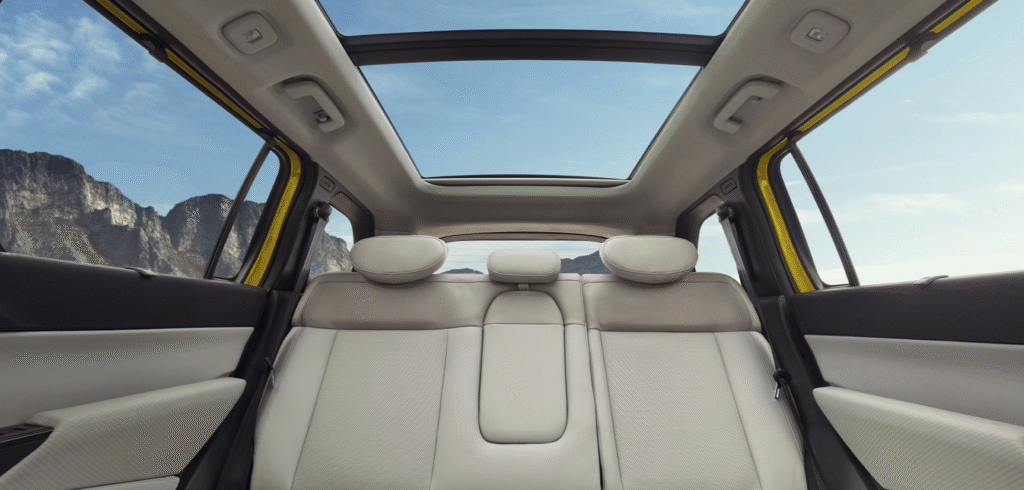
Tata calls the rear seat experience “The Lounge,” and it lives up to the name.
- Space: Thanks to the 2,730 mm wheelbase (longest in the segment), rear legroom is massive.
- The Glass Effect: The large rear windows flood the cabin with light. However, we have a concern regarding Heat Rejection. In Indian summers (45°C+), that massive glass area will trap heat. We highly recommend opting for the ventilated seat variants or investing in high-quality ceramic sun films immediately.
- Panromic Sunroof: TATA calls is PanoraMax, Segment’s largest sunroof with windows to create an open, uplifting lounge feel with an added advantage of voice assistance.
Engine Options & Performance
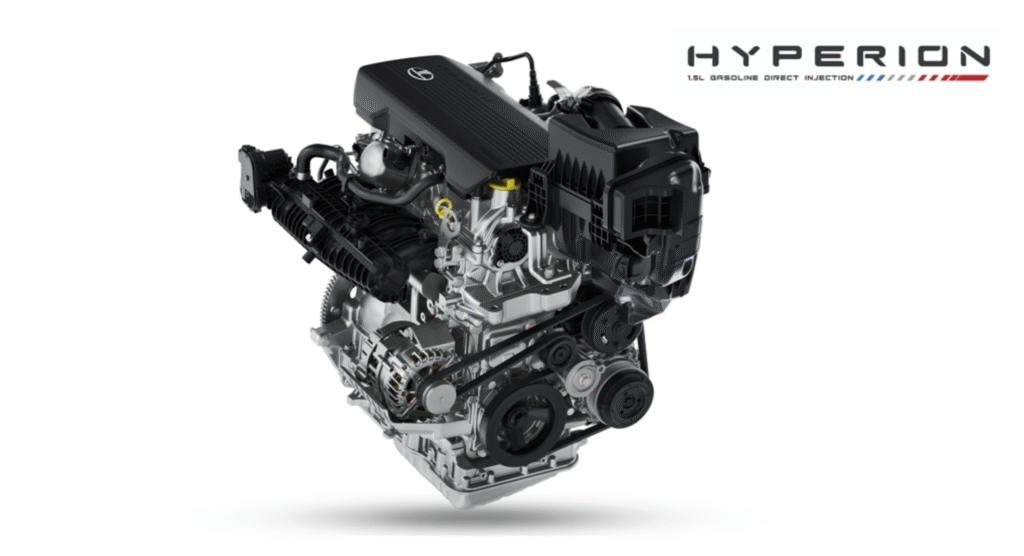
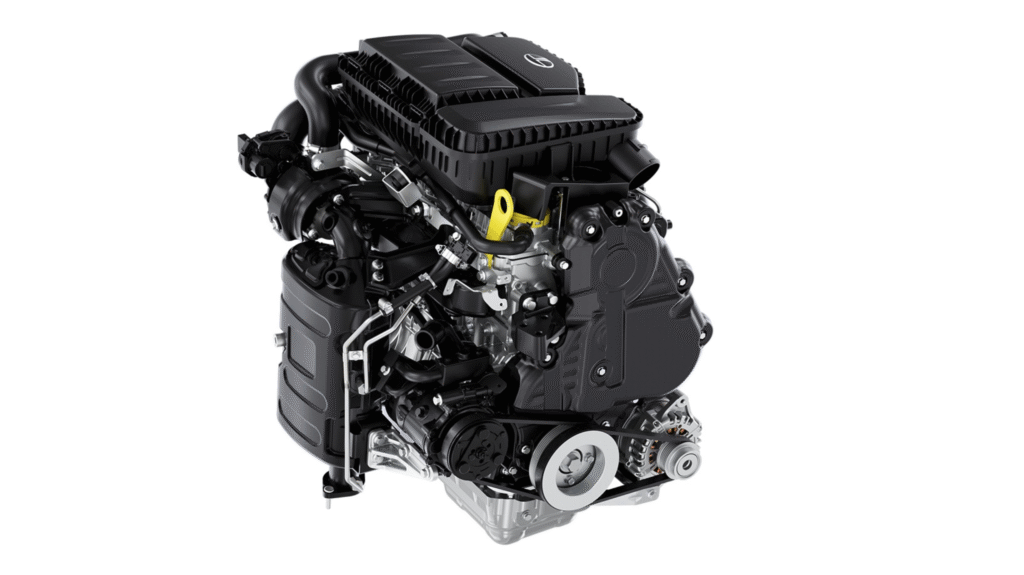
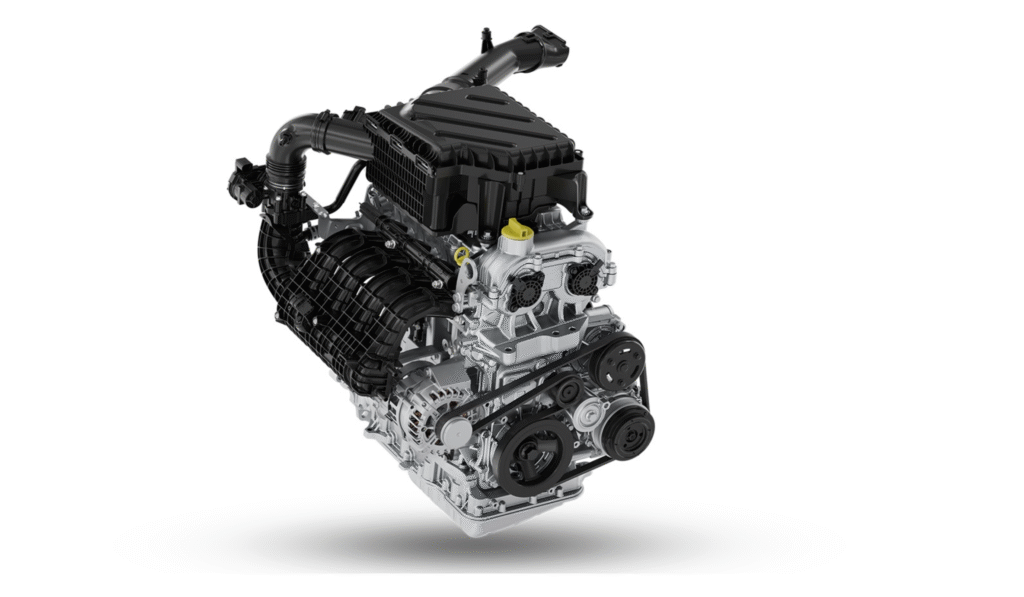
Tata is offering three distinct engine choices. Choosing the right one is critical for your ownership experience.
| Engine Option | Power / Torque | Transmission | Who Should Buy This? |
| 1.5L Turbo Petrol (TGDi) | 160 PS / 255 Nm | 6-Speed AT / 6-Speed MT | The Enthusiast. This is the engine for highway runners. It has the punch to overtake easily at 100 km/h. |
| 1.5L Diesel (Kryojet) | 118 PS / 280 Nm | 6-Speed AT / 6-Speed MT | The Mile Muncher. If you drive 50+ km daily, the diesel’s torque and fuel efficiency (approx 18-20 km/l) make it the logical choice. |
| 1.5L NA Petrol | 106 PS / 145 Nm | 6-Speed MT / 7DCA | The City Commuter. Buy this only if you are on a tight budget. It might feel underpowered for a car of this weight. |
Safety: 5-Stars or Nothing?
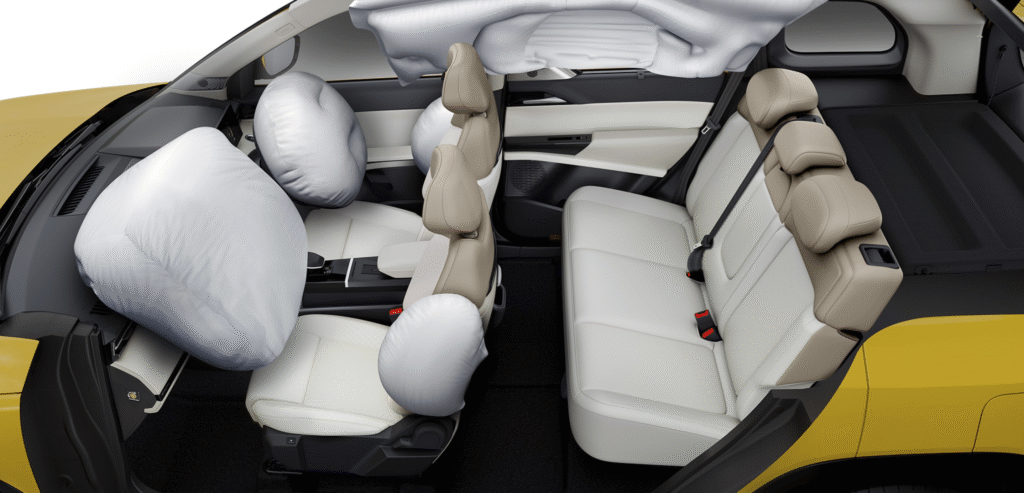
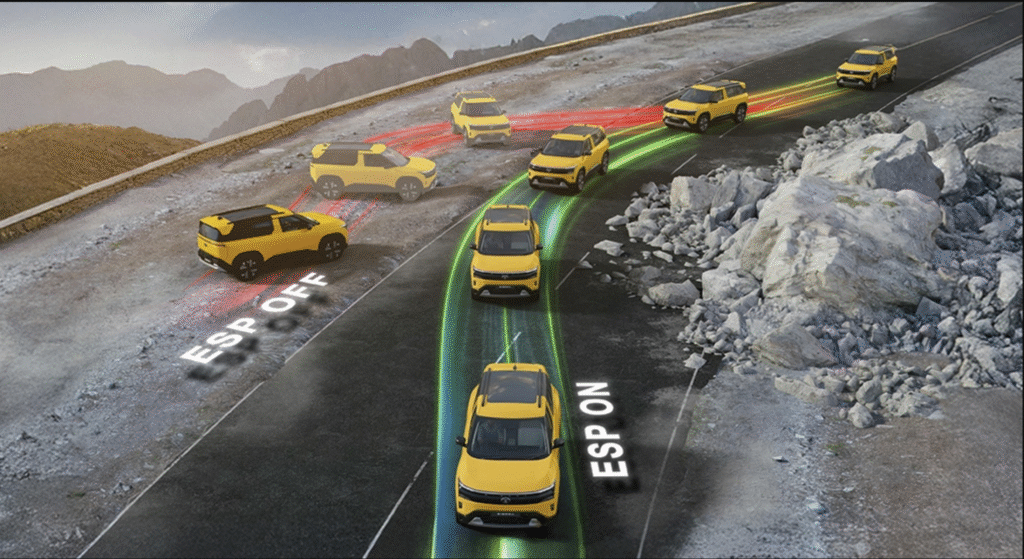
Tata Motors has built its brand on safety, and the Sierra is no exception. While official Bharat NCAP (BNCAP) & Global NCAP (GNCAP) crash test results are awaited, the platform (ARGOS) suggests a sure-shot 5-Star Rating. TATA has conducted crash test in its faclity mimiking real world crash scenario of head on crash test.
The ADAS Level-2 Suite
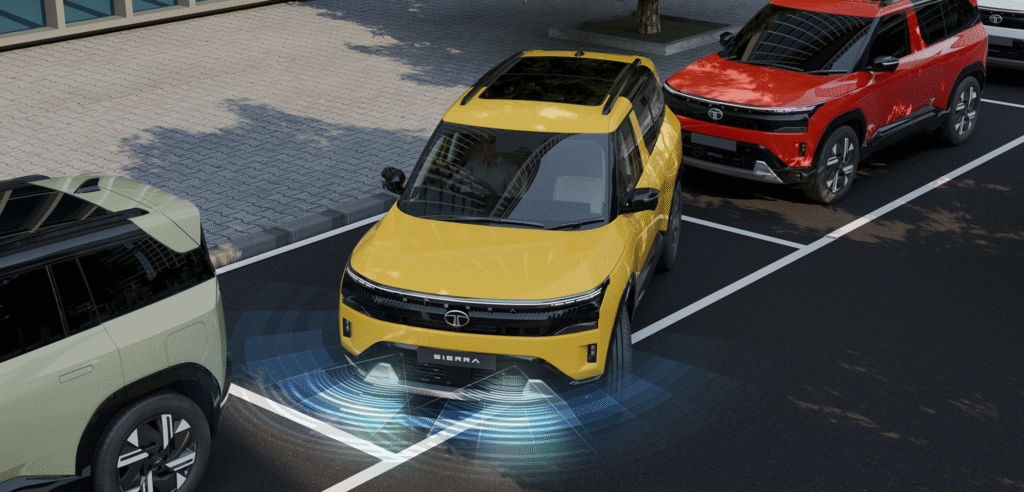
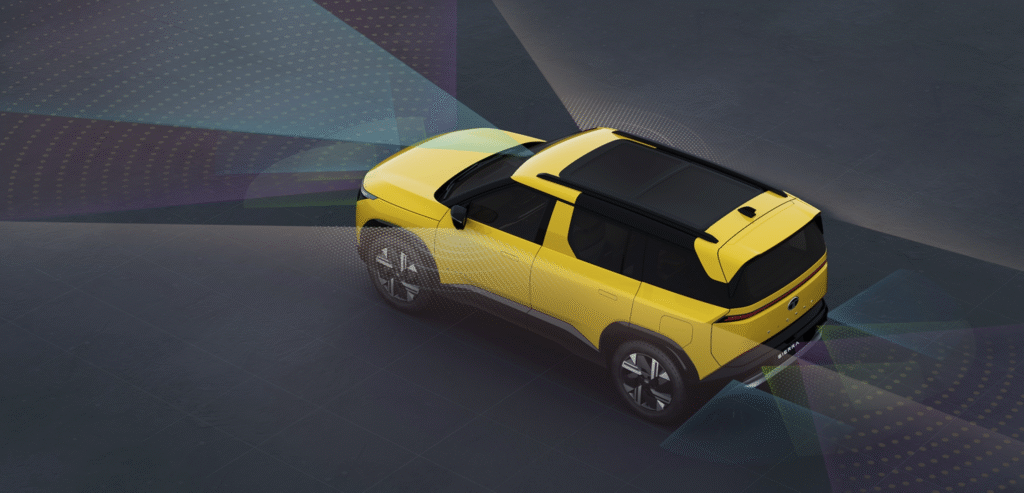
The Sierra comes equipped with sophisticated Driver Assistance Systems offering 22 key features
- Useful Features: Blind Spot Monitoring (essential for Indian traffic) and Rear Cross Traffic Alert (great for reversing out of parking spots).
- Annoying Features: Lane Keep Assist. On narrow Indian roads, this feature often fights the steering wheel. Thankfully, Tata has provided a dedicated button to toggle this off quickly.
360-Degree Camera
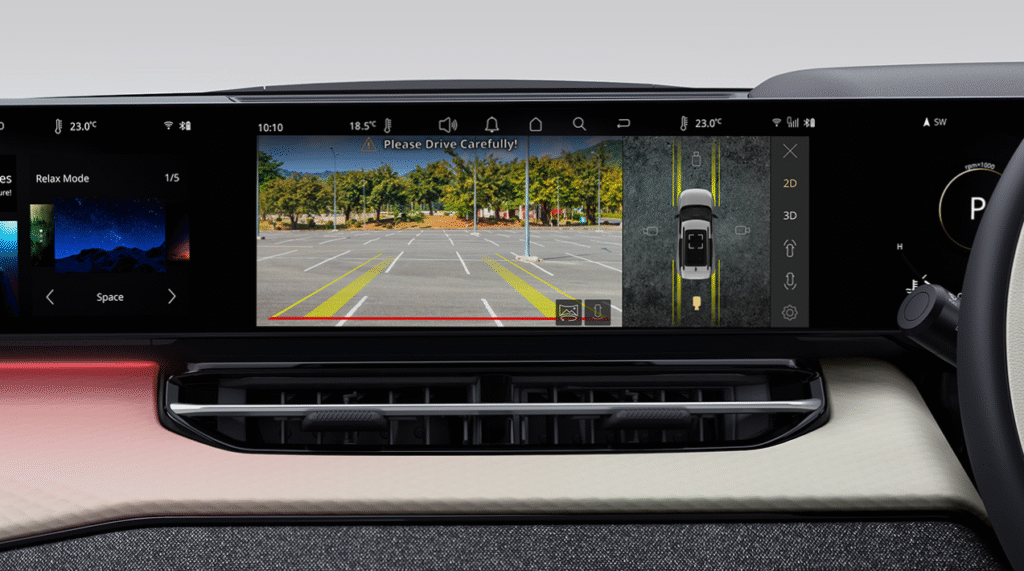
The resolution of the cameras is a massive upgrade over the Nexon. The “3D View” helps massively when parking this wide SUV in tight mall basements.
Dimensions & Practicality: The Size Advantage
How does it stack up against the competition physically?
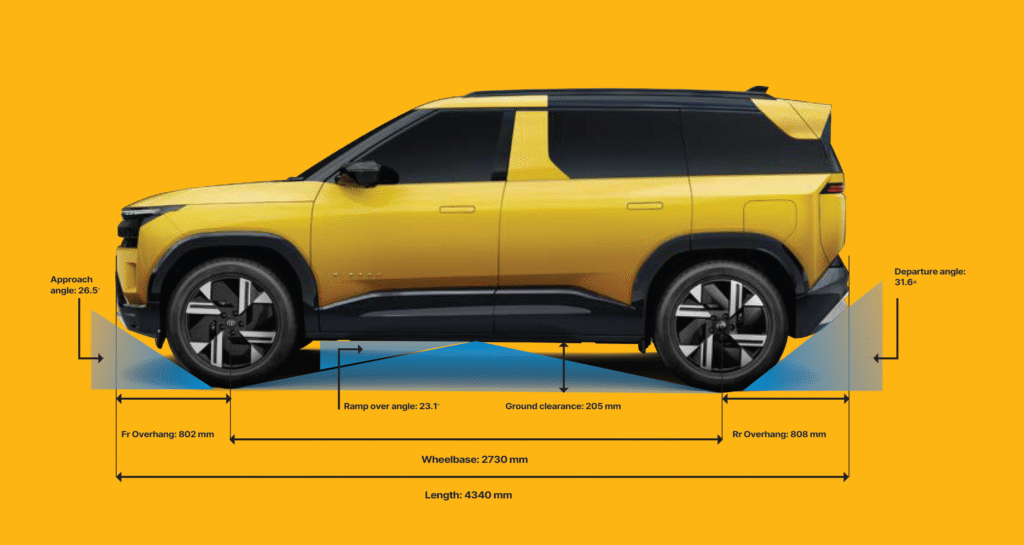
| Dimension | Tata Sierra | Hyundai Creta | Kia Seltos | Advantage |
| Length | 4340 mm | 4330 mm | 4365 mm | Comparable |
| Width | 1841 mm | 1790 mm | 1800 mm | Sierra (Shoulder room) |
| Height | 1715 mm | 1635 mm | 1645 mm | Sierra (Headroom) |
| Wheelbase | 2730 mm | 2610 mm | 2610 mm | Sierra (Legroom) |
| Boot Space | 622 Litres | 433 Litres | 433 Litres | Sierra (Massive Win) |
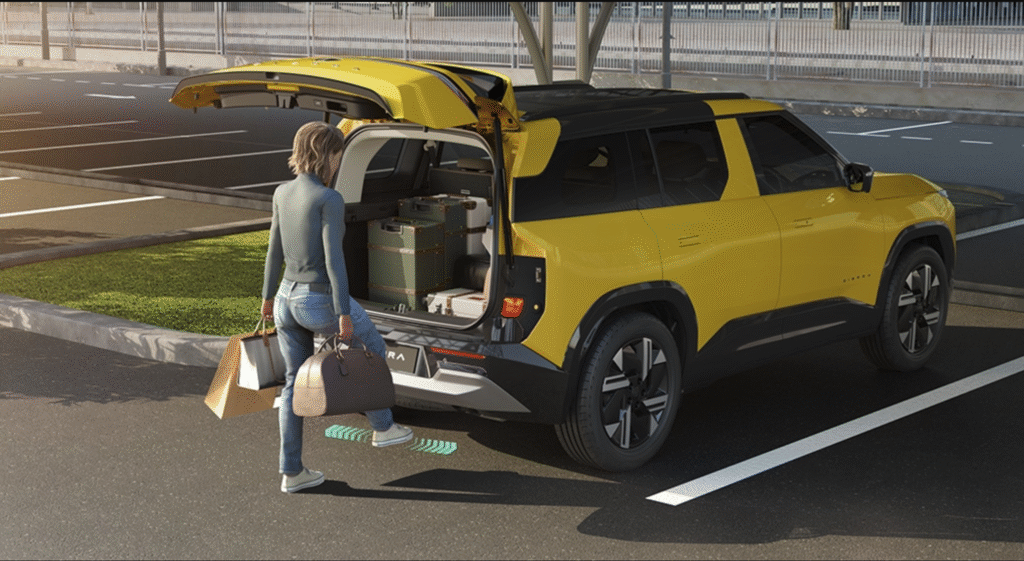
The Boot Space Shock
The 622 Litre boot is a game-changer with Powerd Tail Gate. It is significantly larger than the Creta or Seltos. If you are a family that does road trips with lots of luggage, the Sierra is the undisputed king of practicality here.
Colors and Variants
Tata has moved away from boring colors. The Sierra is available in 6 distinct shades:
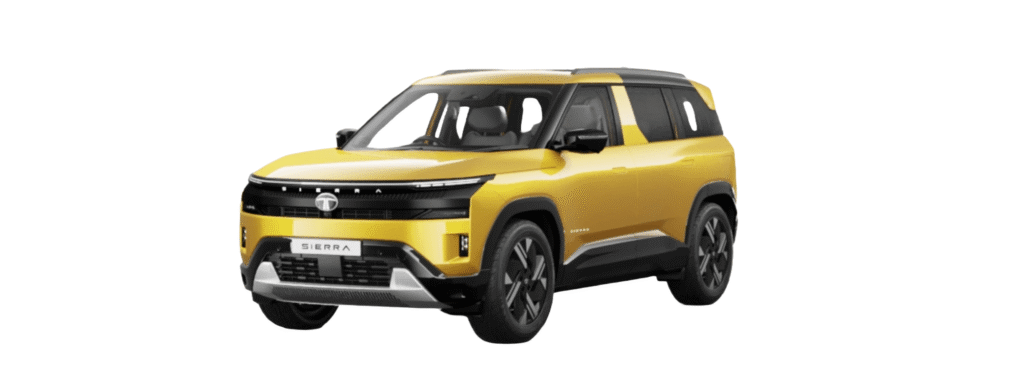
Andaman Adventure (Yellow): The launch color. Bold, sporty, but might hurt resale value.
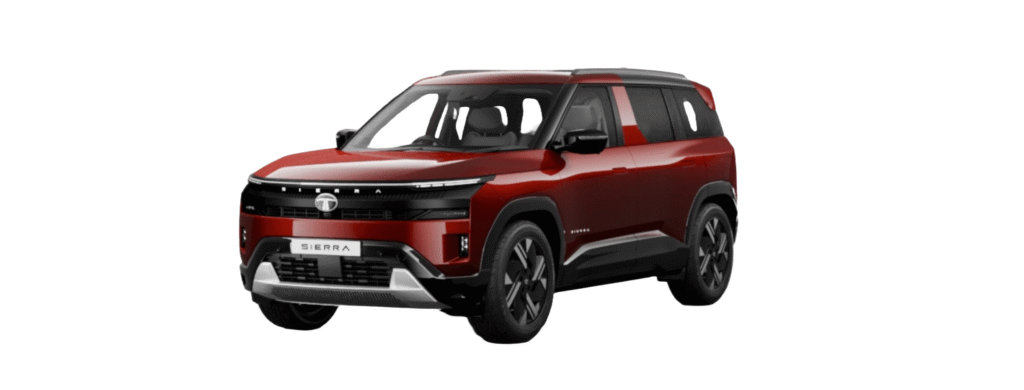
Bengal Rouge (Deep Red): Classy and premium.
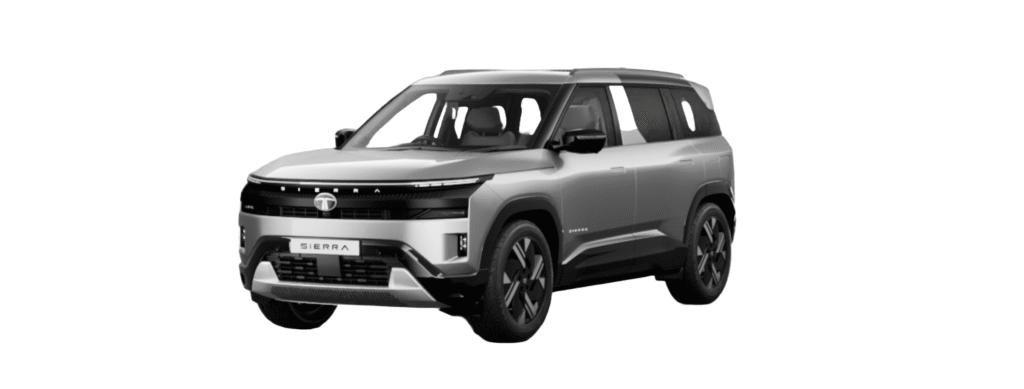
Coorg Clouds (Silver): The safest bet for easy maintenance.
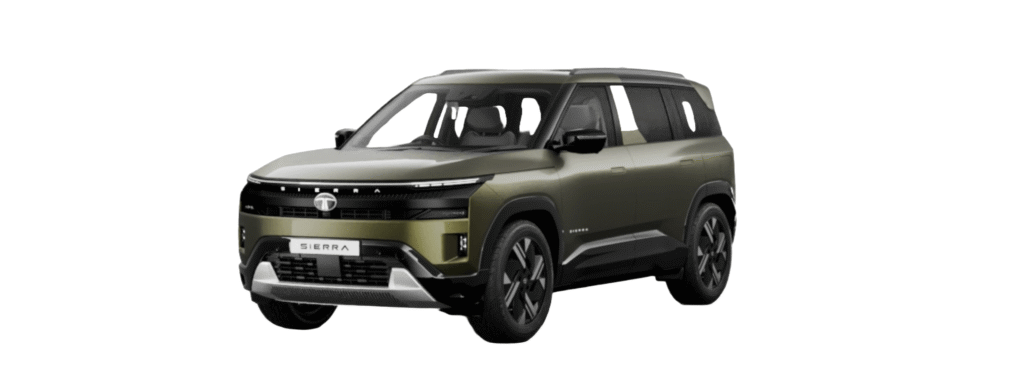
Munnar Mist (Light Green): A unique pastel shade, very modern.
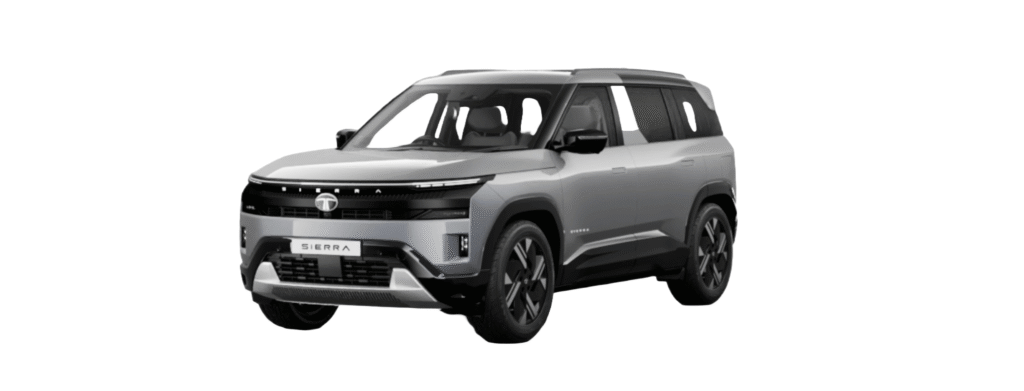
Pure Grey: Stealthy and aggressive.
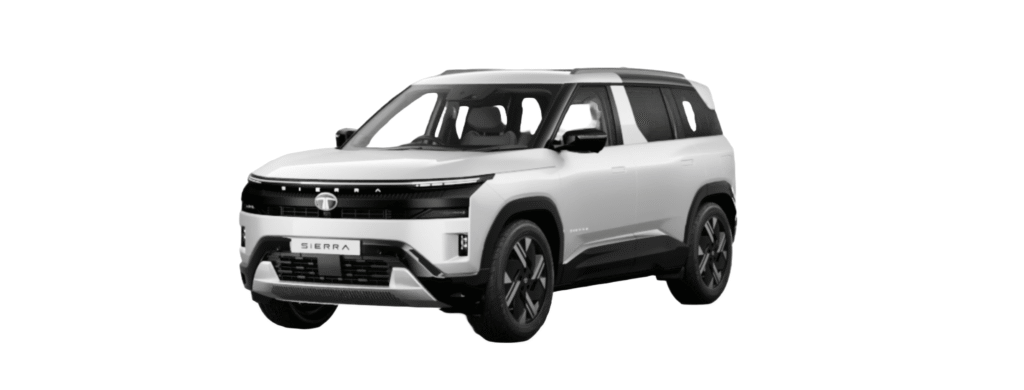
Pristine White: The classic “Politician” look.
Competition Check: The “Shark Tank”
Here is where the buying decision gets tough. Why buy the Sierra over the established kings?
vs. Hyundai Creta/Kia Seltos
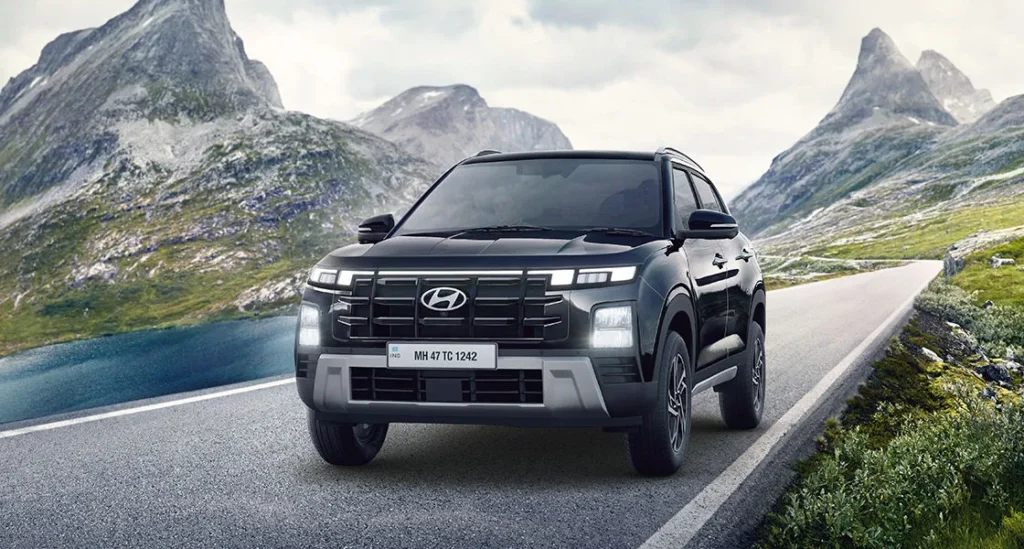
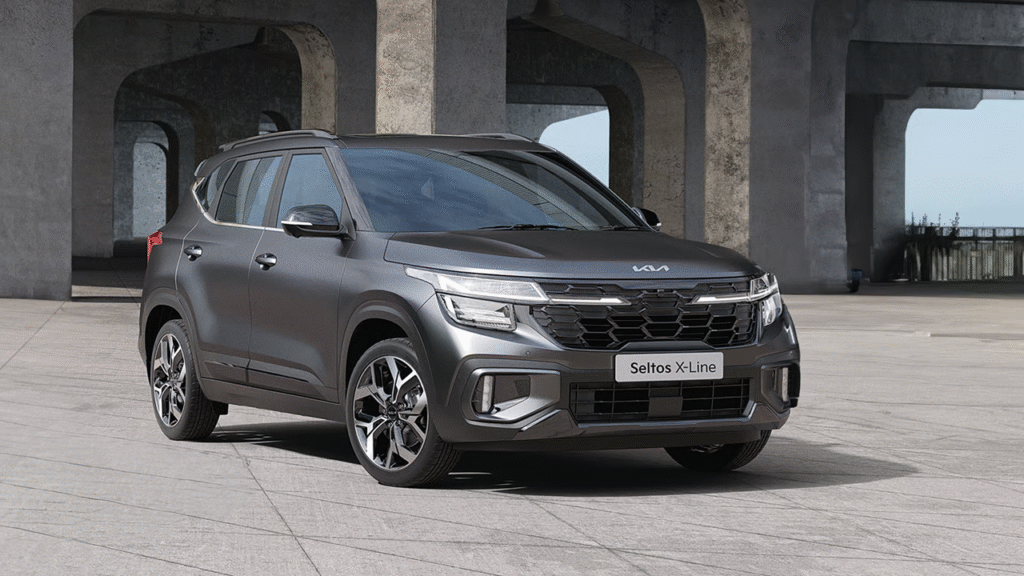
- Buy Creta if: You value Peace of Mind. The Creta is reliable, service is everywhere, and the engine is smoother.
- Buy Sierra if: You value Space and Safety. The Sierra feels like a segment above the Creta in terms of build quality and interior width.
vs. Maruti Grand Vitara / Toyota Hyryder
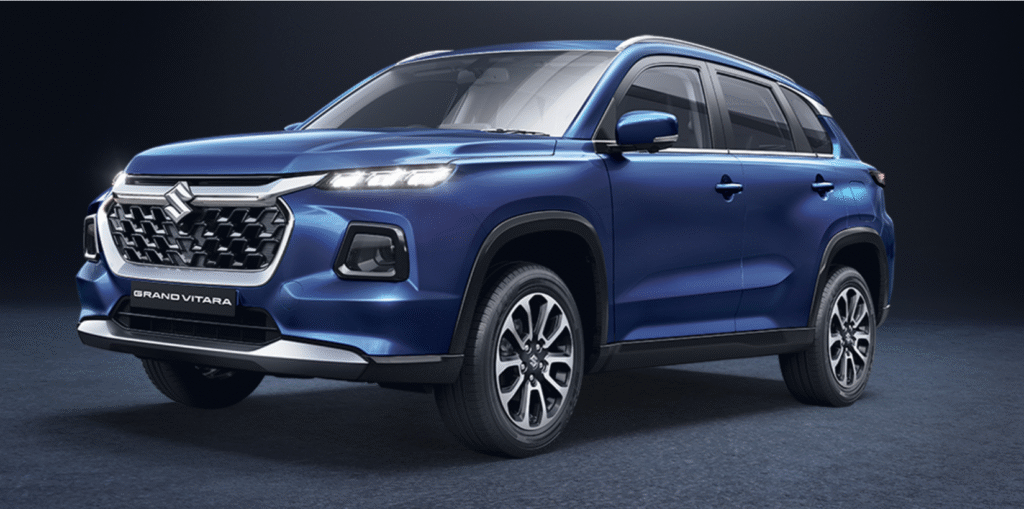
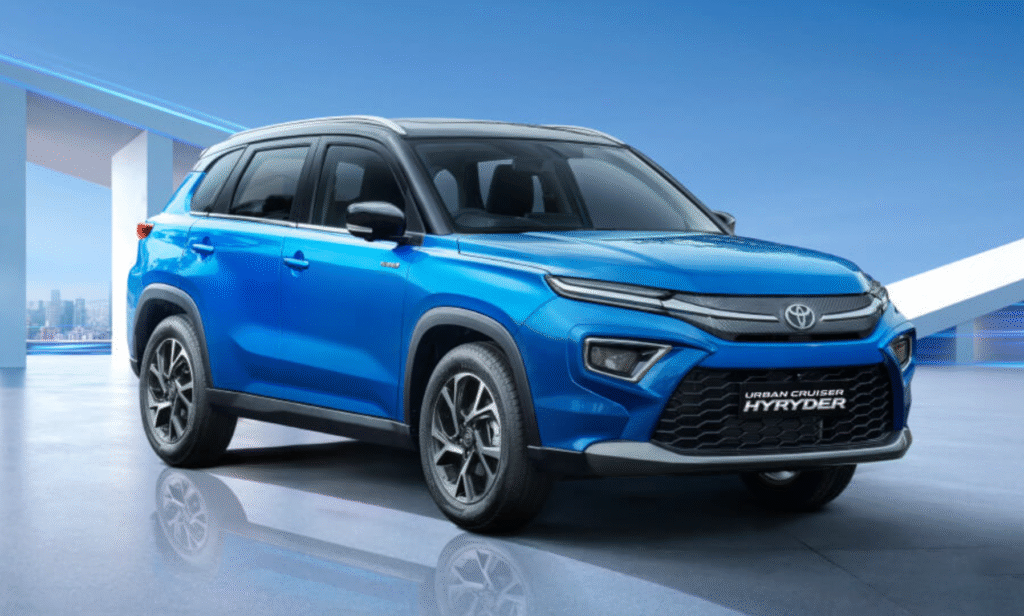
- Buy Grand Vitara if: Mileage is your god. The Hybrid Vitara gives 20-25 km/l in the city. The petrol Sierra will likely give 10-12 km/l.
- Buy Sierra if: You enjoy Driving. The Grand Vitara feels slow; the Sierra Turbo will feel energetic with its punchier engine.
Price & Value Analysis
Introductory Starting Price: ₹11.49 Lakh (Ex-Showroom)
- The Base Model (Smart+): At ₹11.49 Lakh, this is excellent value. You get 6 Airbags, LED headlamps, and the large body shell.
- The Top Model (Accomplished+): Expected to touch ₹19.50 – ₹20.00 Lakh. This puts it dangerously close to the Hyundai Creta/ Kia Seltos territory.
Our Advice
The “Value Sweet Spot” will likely be the Adventure Persona. It will offer the necessary tech (touchscreen, cruise control, reverse camera) without the expensive gimmicks (passenger screen, ADAS) that drive the price up.
Final Verdict: Should You Buy It?
The Tata Sierra 2025 is an emotional car. It is not the most fuel-efficient, nor is it likely to be the most glitch-free software experience in its first year.
However, it offers something the Hyundai Creta and Kia Seltos have lost: Character.
Buy the Tata Sierra if:
- You want the most spacious 5-seater under ₹20 Lakh.
- You prioritize 5-Star safety above all else.
- You want a car that turns heads at every traffic light.
Skip the Tata Sierra if:
- Your daily running is high (city mileage will be low).
- You are sensitive to minor software bugs or service center delays.
The Legend is back, and thankfully, it was worth the wait.
The Future is Built on ARGOS: What Comes Next?
While the 2025 Sierra is impressive on the surface, its true breakthrough lies beneath. The SUV marks the debut of Tata’s all-new ARGOS architecture (All-Terrain Ready, Geometry Omni-Scalable)—a highly adaptable platform engineered to support multiple powertrains and configurations. At launch, it accommodates Petrol and Diesel, with future readiness for Electric (EV), CNG, and Hybrid systems. The platform is also designed to enable AWD (All-Wheel Drive) capability and even a 7-seater layout, making the Sierra one of Tata’s most versatile and future-proof SUVs yet.
Photo Gallery: Inside the New Sierra
Do Visit our YouTube Channel MotorWorld where we anticipated 1.5L Turbo Petrol (TGDi) engine and price.
Category: Car Reviews Author: Gaurav Mantri Read Time: 9 Minutes
Image & Video credit: TataMotors